
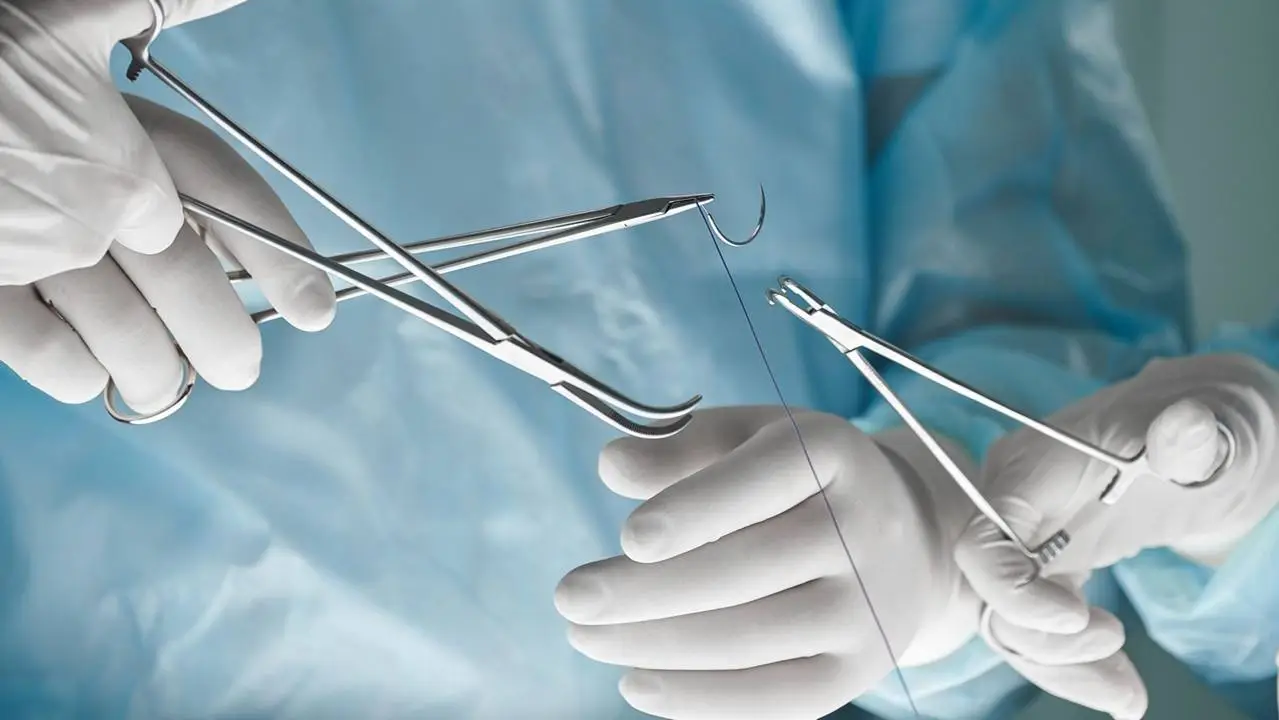
Medical sutures have been instrumental in the progress and development of healthcare throughout history. They serve as the cornerstone of surgical procedures, widely utilized in a variety of operations, ranging from minor lacerations to major invasive surgeries. Essentially, sutures are threads used to mend and close wounds and surgical incisions, promoting faster healing by holding tissues together during the healing process.
The existence of sutures dates back to ancient civilizations. Archaeologists have discovered remnants of surgical thread stitched into mummified bodies, demonstrating the long-standing significance of this medical tool. Up until the 19th century, a range of materials, including plant fibers and animal sinews, were used. Technological advancements in the modern era have led to the production of synthetic and non-synthetic sutures available in multiple sizes and structures, suitable for various surgical necessities.
Based on the nature of their composition, sutures can be classified into two major categories: absorbable and non-absorbable. Absorbable sutures get dissolved in the body over time, removing the need for removal. They are most commonly used in internal body procedures. Conversely, non-absorbable sutures are removed manually after the wound has healed. These are prominently used on skin surface wounds.
The procedure for applying sutures is as intricate as it is vital. Before implementing sutures, the surgical area should be thoroughly cleaned and the suture material should be selected, considering factors like wound location, patient age, and the speed of healing. Once the suture is applied, the wound site must be monitored closely to avoid infection and ensure the wound is healing properly. After healing, the removal of non-absorbable sutures entail special care to avoid reopening the wound or causing further damage.
Over time, medical stitches uk have undergone significant improvements. For example, the development of barbed sutures has led to better efficiency by making the process of wound closure faster and simpler. Additionally, innovation in antibacterial sutures has led to a decrease in the risk of surgical site infections, thus substantially improving patient outcomes.
The choice of a particular suture and the technique employed in its application can greatly impact the overall surgical outcome. In this regard, sutures serve as more than mere medical implements; they symbolize the symbiotic relationship between technology and medicine and their collective contribution to advancing health care.
In conclusion, medical sutures, while unassuming, continue to occupy an indispensable position in the medical field. They have evolved significantly over the centuries, aiding health professionals in their quest to save lives and improve the quality of patient care. With continual research and technological advancements, the future promises more inventive and efficient suturing materials and techniques, reflecting the intertwining of medical suturing and progressive healthcare.