
Skin concerns such as acne scars, enlarged pores, fine lines, uneven texture, and mild skin laxity can affect both appearance and confidence. Many people look for treatments that improve the skin without requiring surgery or a long recovery period. Radiofrequency microneedling is one option that combines tiny needles with controlled heat to encourage the skin's natural repair process. 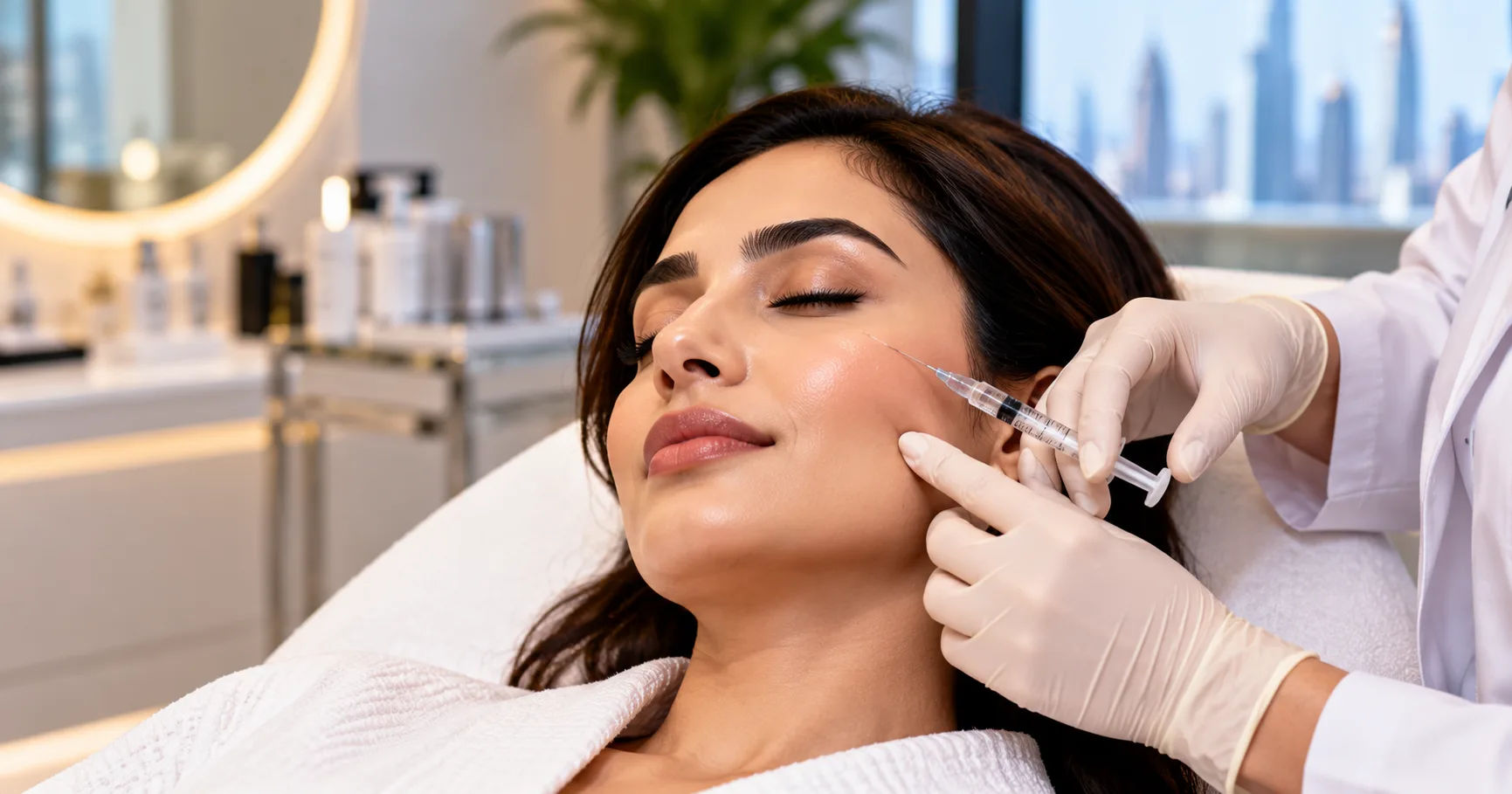 Understanding how RF microneedling in Karachi works can help you decide whether this treatment suits your skin concerns, lifestyle, and expectations. The procedure is designed to stimulate collagen and elastin, two important proteins that help keep skin firm, smooth, and resilient. Unlike treatments that work only on the skin's surface, radiofrequency microneedling delivers energy into carefully selected skin layers.
The treatment is available through aesthetic clinics, but results depend on the device, treatment settings, practitioner experience, and condition being treated. Learning about the procedure, its benefits, possible risks, and aftercare can help you prepare for a more informed consultation with a qualified dermatologist.
What Is RF Microneedling?
Radiofrequency microneedling is a minimally invasive cosmetic procedure that combines traditional microneedling with radiofrequency energy. Traditional microneedling creates tiny, controlled punctures in the skin. These micro-injuries activate the body's natural healing response, which supports collagen production and gradual skin renewal.
RF microneedling adds another step by delivering radiofrequency energy through the needles. This energy generates controlled heat in targeted tissues, encouraging additional collagen remodeling and skin tightening.
The treatment is used for concerns such as acne scarring, fine lines, rough texture, enlarged pores, and certain types of mild skin laxity. However, it does not address every skin problem, and its effectiveness varies from person to person.
Radiofrequency Energy
Radiofrequency energy is a form of electrical energy that produces heat as it passes through tissue. In aesthetic treatments, this heat is carefully controlled to stimulate changes in the skin without intentionally removing its outer surface.
The amount and depth of energy depend on the device and its settings. A trained practitioner selects these settings according to the treatment area, skin thickness, individual concerns, and safety requirements.
How Microneedling Supports Skin Repair
The tiny needles create controlled channels in the skin. These channels trigger a healing response involving different cells and signaling substances.
During recovery, the body begins repairing the treated tissue. Fibroblasts, which are cells involved in producing collagen and other structural proteins, contribute to this process. Over time, new collagen formation and remodeling may improve skin texture and firmness.
Radiofrequency energy complements this response by heating targeted tissue beneath the surface.
How Does RF Microneedling in Karachi Work Step by Step?
The procedure usually takes place in an aesthetic clinic or dermatology practice. Although the exact process varies by device and treatment area, most sessions follow a similar sequence.
1. Skin Assessment and Consultation
The first step is a consultation with a qualified dermatologist or appropriately trained medical professional. The practitioner examines your skin, discusses your concerns, reviews your medical history, and checks whether the procedure is suitable.
For example, someone with shallow acne scars may need a different treatment plan from someone concerned about fine lines or enlarged pores. The practitioner may also ask about medications, previous cosmetic procedures, active skin conditions, and any tendency to develop raised scars.
This assessment is particularly important because some conditions, including active skin infections and certain inflammatory skin disorders, may require treatment before microneedling can be considered.
2. Cleansing the Skin
Before treatment, the skin is thoroughly cleansed to remove makeup, oil, sunscreen, and other surface impurities.
The practitioner then prepares the treatment area according to the device's safety instructions. Clean technique is essential because the needles penetrate the skin and can introduce bacteria if appropriate precautions are not followed.
You should feel comfortable asking about the clinic's infection-control procedures and whether sterile, single-use needle cartridges are used.
3. Applying a Numbing Cream
A topical anesthetic is often applied before the procedure to reduce discomfort. It may need time to work before treatment begins.
The amount of discomfort depends on the device, needle depth, energy settings, and sensitivity of the treatment area. Some people experience pressure, warmth, pinching, or a prickling sensation.
Numbing medication should be used according to professional instructions. Applying excessive amounts or leaving it on for too long can cause unwanted effects.
4. Adjusting the Device
The practitioner selects the appropriate needle depth and radiofrequency settings for the intended treatment.
Different areas of the face have different skin thicknesses. For example, the skin around the eyes is thinner and more delicate than some areas of the cheeks. Treatment settings should reflect these differences.
The objective is to deliver controlled energy to the intended tissue while minimizing unnecessary injury. Higher settings are not automatically better, and overly aggressive treatment can increase the risk of burns, prolonged redness, scarring, or pigmentation changes.
5. Delivering Microneedling and Radiofrequency Energy
The device is moved systematically across the selected area. Tiny needles enter the skin and deliver radiofrequency energy at controlled depths.
The needles create microscopic channels, while the energy heats targeted tissue. Together, these actions initiate a healing response and encourage collagen remodeling.
The procedure may cause temporary redness, warmth, swelling, or pinpoint bleeding. These effects vary depending on the device and treatment intensity.
A session commonly takes around 20 to 60 minutes, although preparation and the size of the treatment area can make the total appointment longer.
6. Completing the Treatment
After the procedure, the practitioner follows the device's aftercare protocol. A gentle, suitable skincare product may be applied to support comfort and protect the treated skin.
You may receive instructions about cleansing, moisturizing, sunscreen, makeup, exercise, and avoiding irritating products.
Following these instructions is an important part of the treatment process. The skin needs time to recover, and unnecessary irritation can interfere with healing.
What Happens to Your Skin After RF Microneedling?
The visible results do not appear all at once. Your skin passes through several stages as the initial irritation settles and deeper tissue remodeling continues.
First 24–72 hours: Initial recovery
Redness, mild swelling, tenderness, and a warm sensation are common. Some people also experience small pinpoint marks or temporary roughness. These effects generally improve over the first few days, although recovery can take longer after more intensive treatment.
First few weeks: Healing and early changes
The skin continues repairing itself. Some people notice a smoother feel or improved texture, but early changes should not be confused with the full collagen-remodeling effect.
Following weeks to months: Collagen remodeling
New collagen formation and tissue remodeling occur gradually. Improvements in scars, fine lines, and firmness may become more noticeable over several weeks to a few months. Results vary according to the original concern and treatment plan.
What Skin Problems Can RF Microneedling Improve?
RF microneedling may help improve several cosmetic concerns, although the degree of improvement depends on the cause and severity of each problem.
Acne Scars
Acne scars can develop when inflammation damages the skin's supporting structures. Certain depressed scars may respond to collagen-stimulating treatments because remodeling can gradually improve their appearance.
However, not all scars respond equally. Deep, narrow ice-pick scars and tethered scars may require different or combined treatments. A dermatologist can determine whether microneedling, subcision, laser treatment, or another approach is more appropriate.
Fine Lines and Mild Skin Laxity
Collagen provides structural support to the skin. As collagen changes with age, fine lines and mild looseness can become more visible.
Radiofrequency microneedling may improve the appearance of some fine lines and mild laxity by encouraging tissue remodeling. It is not a substitute for surgery and cannot reliably correct significant sagging.
Enlarged Pores and Uneven Texture
Pore appearance is influenced by genetics, oil production, age, and skin structure. Microneedling with radiofrequency may improve surrounding skin texture, making pores appear less noticeable in some individuals.
It does not permanently eliminate pores or stop normal oil production. Results are usually more realistic when the goal is overall texture improvement rather than complete pore removal.
Stretch Marks and Selected Body Concerns
Some devices can be used on areas beyond the face, including selected stretch marks and areas with mild textural irregularities. Treatment suitability depends on the device's approved indications, the body area, and the practitioner's training.
You should not assume that a device used for facial treatment is automatically appropriate for every body area.
How Many Sessions Are Usually Needed?
The number of sessions depends on your skin condition, treatment goals, and the response to each appointment. Some people may notice changes after one session, while others need a series of treatments for more noticeable improvement.
For mild texture concerns, a practitioner may suggest a limited course. More established acne scars or significant textural irregularities may require several sessions spaced weeks apart.
Your dermatologist should recommend a schedule based on your skin's recovery and the device being used. Repeating treatment too frequently can increase irritation without necessarily improving results.
When considering RF microneedling in Karachi, ask whether the proposed number of sessions is based on your specific concerns rather than a standard package offered to everyone.
Who Is a Suitable Candidate?
The treatment may suit adults who want to improve mild acne scarring, fine lines, uneven texture, or early signs of skin laxity without undergoing surgery.
However, a consultation is necessary to identify potential risks.
Treatment may need to be postponed or avoided in people with active skin infections, open wounds, certain inflammatory skin conditions, a history of abnormal scarring, or other medical circumstances that affect healing.
People taking particular medications, including some acne treatments, should discuss their medication history with their dermatologist rather than stopping anything independently.
Pregnancy, implanted electronic devices, metal implants near the treatment area, and other medical considerations may also affect suitability, depending on the device and treatment plan.
Individuals with darker skin tones can develop post-inflammatory hyperpigmentation after skin procedures. Although radiofrequency microneedling may be suitable for many skin tones, careful settings and experienced clinical supervision are important.
Risks and Side Effects to Understand
Like any procedure that penetrates the skin, radiofrequency microneedling carries potential risks. Common short-term effects include:
-
Redness and swelling.
-
Tenderness or temporary discomfort.
-
Pinpoint bleeding or small bruises.
-
Dryness, flaking, or temporary roughness.
Less common but more serious complications can include infection, burns, scarring, prolonged pigmentation changes, and unwanted changes in facial fat or skin contour. The risk depends on the device, technique, treatment depth, and individual factors.
Seek medical advice promptly if you develop worsening pain, spreading redness, increasing swelling, pus, fever, or blisters. These symptoms should not automatically be dismissed as normal recovery.
Choosing an appropriately qualified practitioner and a clinic that follows proper sterilization procedures can reduce avoidable risks.
Aftercare Tips for Better Recovery
Good aftercare helps protect the skin while it heals. Your practitioner's instructions should take priority because recommendations can vary by device and treatment intensity.
Keep Your Skincare Routine Gentle
Use a mild cleanser and a suitable moisturizer as directed. Avoid scrubbing, picking at the skin, or using exfoliating brushes while the treated area is sensitive.
Retinoids, exfoliating acids, benzoyl peroxide, and other potentially irritating products may need to be paused temporarily. Ask your practitioner when to restart them.
Protect Your Skin From Sun Exposure
Sun protection is especially important after a skin procedure because inflammation can contribute to pigmentation changes.
Follow your clinician's advice about when to resume sunscreen, and use a broad-spectrum sunscreen once appropriate. Hats, shade, and avoiding unnecessary direct sunlight can provide additional protection.
Avoid Excessive Heat and Sweating Initially
Your practitioner may advise avoiding strenuous exercise, saunas, steam rooms, and swimming for a short period after treatment.
The recommended interval depends on the procedure and the condition of your skin. Resume these activities only when your skin has recovered sufficiently and your clinician's instructions allow it.
Do Not Rush the Results
Collagen remodeling takes time. Avoid arranging repeated sessions too close together or adding other intensive treatments before the skin has recovered.
Taking photographs under consistent lighting can help you assess gradual changes more accurately than checking your skin repeatedly in different conditions.
How to Choose a Clinic in Karachi
When comparing clinics, focus on practitioner qualifications, safety standards, device quality, and the suitability of the proposed treatment.
Ask who will perform the procedure and what training they have in radiofrequency microneedling. Confirm that the equipment is properly maintained and that sterile needle cartridges are used.
You should also ask about the expected benefits for your specific skin concern, the estimated recovery period, the total likely cost, and the plan if complications occur.
Be cautious of promises of permanent scar removal, guaranteed results, or dramatic lifting after one session. A responsible practitioner should explain both the potential benefits and the limitations.
The price alone should not determine your decision. A clinic that offers a lower price but cannot explain its safety procedures may not provide the best value.
Conclusion
RF microneedling works by combining tiny needle punctures with controlled radiofrequency heat to stimulate the skin's natural repair processes. This combination encourages collagen production and tissue remodeling, which may gradually improve acne scars, fine lines, enlarged pores, uneven texture, and mild skin laxity.
The procedure involves a consultation, skin preparation, possible numbing, careful device adjustment, and controlled treatment of the selected area. Afterward, the skin needs time to recover before the longer-term benefits become apparent.
Anyone considering RF microneedling in Karachi should understand that results depend on individual skin characteristics, the condition being treated, the device used, and the practitioner's expertise. Multiple sessions may be needed, and improvement is not guaranteed.
Safety deserves as much attention as the expected cosmetic outcome. Choose a qualified professional, discuss your medical history, follow the recommended aftercare routine, and allow enough time between treatments.
With realistic expectations and an appropriate treatment plan, radiofrequency microneedling may be a useful option for people seeking gradual improvements in skin texture and firmness. A personalized consultation is the best starting point for determining whether it is suitable for your needs.