
An arrest can be a stressful and confusing experience for an individual and their family. One of the first questions people often ask is how they can secure temporary release while waiting for their court date. Understanding the bail process can make it easier to recognize the available legal options and know what to expect at each stage.The process generally begins after an individual is taken into custody, booked, and informed of the charges. 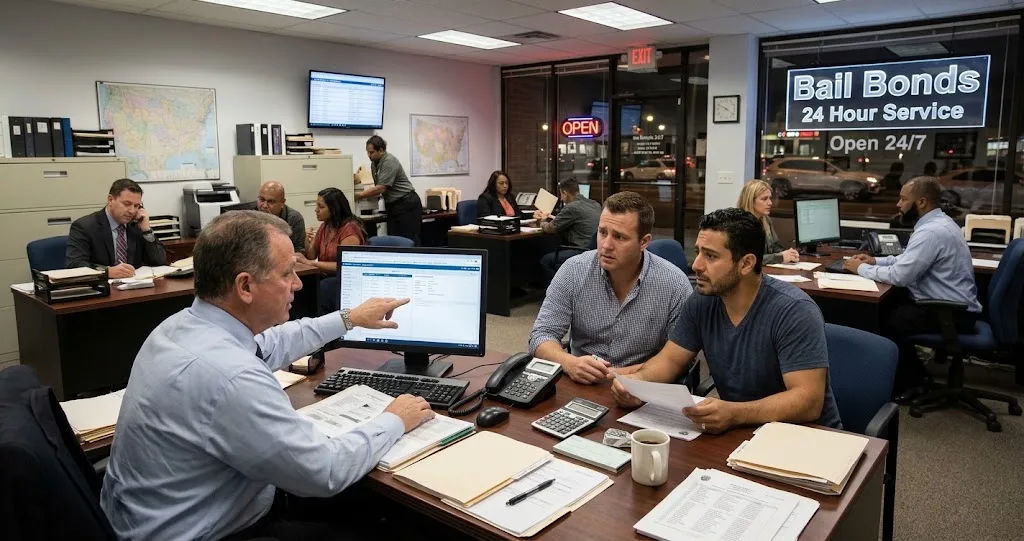 Depending on the circumstances, a judge or the applicable bail schedule determines the conditions for release. pomona bail bonds are one option families may encounter when the court has set bail and the person in custody cannot or does not want to pay the full amount directly to the court.
Although bail bond services can help arrange release, they do not dismiss criminal charges or guarantee a particular court outcome. It is important to understand how the process works, what responsibilities are involved, and why attending every required court hearing matters.
This comprehensive guide explains the process from arrest and booking to release, court appearances, financial responsibilities, and the importance of understanding the agreement before making a decision.
The Bail Process After an Arrest
Bail is a financial condition that may allow someone accused of a crime to remain outside custody while their criminal case moves through the court system.
It is important to understand that bail is not a fine or a declaration of guilt. It is intended to help ensure that the defendant returns to court when required.
When someone is arrested in Pomona, California, the process generally involves several stages. These stages help law enforcement and the court establish the person's identity, document the arrest, and determine the next legal steps.
What Happens Immediately After an Arrest?
After an arrest, law enforcement officers take the individual into custody. The person may be transported to an appropriate detention facility for booking and processing.
During booking, officers generally:
-
Record the individual's personal information.
-
Document the arrest and alleged offenses.
-
Take fingerprints and photographs.
-
Conduct required identification checks.
-
Record personal property according to facility procedures.
-
Explain basic custody procedures.
The time required for booking depends on the circumstances, staffing, facility workload, and other administrative requirements.
Family members may need to wait until the booking information becomes available before they can obtain accurate details about the person's custody status.
When Is Bail Determined?
Bail may be established through a county bail schedule or determined by a judge, depending on the circumstances and applicable law.
The amount can depend on several factors, including:
-
The nature and seriousness of the alleged offense.
-
The applicable county bail schedule.
-
The person's criminal history.
-
Previous failures to appear in court.
-
Public safety considerations.
-
Any additional conditions imposed by the court.
In some cases, a person may be eligible for release without paying monetary bail. In other situations, the court may impose conditions or determine that the person must remain in custody.
How Do Pomona Bail Bonds Work?
A pomona bail bonds is a financial arrangement involving a licensed bail bond company, the defendant, and sometimes a family member or another person who agrees to take financial responsibility.
Instead of paying the entire bail amount directly to the court, the defendant or another responsible person may arrange a surety bond through a licensed company.
The bond company guarantees the required bail amount to the court under the applicable agreement. In exchange, it charges a fee, commonly called a premium.
Step 1: Confirm the Arrest and Booking Information
The first step is confirming that the individual has actually been arrested and identifying the facility where they are being held.
Accurate information is important because similar names or incomplete booking details can cause confusion.
The family may need to establish:
-
The arrested person's full legal name.
-
The booking number, if available.
-
The detention facility.
-
The alleged charges, if publicly available.
-
The current bail amount, if one has been established.
The information should come from reliable official sources rather than assumptions or unverified messages.
Step 2: Determine the Bail Amount
Before a bond can be arranged, the applicable bail amount must be established.
In Los Angeles County, including Pomona, the Superior Court's criminal bail schedules provide guidance for many offenses. However, a judge may make an individual decision based on the circumstances.
The amount is not necessarily the same for every person accused of a similar offense.
A judge may also consider whether release without monetary bail or supervised release is appropriate.
Step 3: Understand the Bond Agreement
If a surety bond is an available option, the financial agreement must be understood before anyone accepts responsibility.
The agreement generally explains:
-
The total bail amount being guaranteed.
-
The premium charged by the bond company.
-
Any collateral requirements.
-
The responsibilities of the person signing.
-
The consequences of failing to meet contractual obligations.
-
Any applicable payment arrangements.
The premium is generally the company's charge for providing the bond. It is not the same as the full bail amount.
Step 4: The Bond Is Submitted
After the required agreement and financial arrangements are completed, the bond company submits the bond through the appropriate legal process.
The court or detention facility must accept and process the required documentation before release can happen.
Submitting a bond does not mean the person walks out of custody immediately. Administrative checks and other legal requirements may still need to be completed.
Step 5: Release Is Processed
Once the bond is accepted and there are no other legal restrictions preventing release, the detention facility can begin processing the person's release.
The person may receive information about:
-
Their upcoming court appearance.
-
Conditions of release.
-
Restrictions imposed by the court.
-
Requirements to remain available for future proceedings.
The individual must understand these conditions and follow them carefully.
What Factors Affect the Bail Amount in Pomona?
The amount of bail depends on the legal circumstances of the case. There is no single amount that applies to every arrest.
The court considers relevant information when determining whether release is appropriate and what conditions should apply.
Nature of the Alleged Offense
The seriousness and legal classification of the alleged offense can influence the bail decision.
Different offenses may have different amounts under the applicable county schedule.
Some cases also involve special legal rules that affect whether monetary bail is available.
Previous Criminal History
A person's previous criminal record may be relevant to the court's decision.
The judge may consider prior convictions, previous failures to appear, and other legally relevant information.
However, a person's history does not automatically determine the outcome of a bail decision.
Public Safety Considerations
Public safety is an important consideration when courts evaluate pretrial release.
Depending on the circumstances, the judge may impose conditions designed to protect individuals and the wider community.
These conditions may include restrictions on contact with certain people or other court-ordered requirements.
Risk of Missing Court Appearances
Courts also consider whether the defendant is likely to return for required hearings.
Previous failures to appear and other relevant circumstances may influence the decision.
The purpose of bail conditions is to support the court process while addressing applicable legal concerns.
How Much Do Pomona Bail Bonds Cost?
One of the most common questions families have concerns the cost of arranging a bail bond.
The cost depends on the total bail amount, the premium charged under the agreement, and any additional financial arrangements.
The Bail Bond Premium
The premium is the fee charged by a bail bond company for providing a surety bond.
For example, if the court sets bail at $20,000 and a hypothetical agreement uses a 10% premium, the premium would be $2,000.
This is only an illustration, not a guaranteed quote or a statement that every agreement uses the same rate.
The actual cost should be confirmed in writing with the licensed company.
Is the Premium Refundable?
In a typical commercial surety bond arrangement, the premium is the company's fee and is generally not returned simply because the case ends or the defendant is found not guilty.
This is different from cash bail paid directly to the court, which is subject to separate refund rules.
Anyone considering a bond should understand the financial consequences before signing.
Can Collateral Be Required?
Some bond agreements may require collateral to secure the company's financial risk.
Collateral can involve assets or other security, depending on the agreement and applicable law.
Before providing collateral, the responsible person should understand:
-
What property is being pledged.
-
How its value is determined.
-
When it may be returned.
-
What circumstances could lead to its loss.
-
What happens if the agreement is not fulfilled.
Reading the complete agreement is essential.
How Long Does Release Take After a Bail Bond Is Posted?
The release process does not always happen immediately after a bond is submitted.
The time required depends on the detention facility, the accuracy of the paperwork, and whether any additional legal matters need attention.
Booking and Administrative Delays
A detention facility may need time to verify the bond and complete the necessary records.
Busy facilities can experience administrative delays, especially when many people are being processed.
Outstanding Warrants or Other Holds
A person may have another warrant, an additional case, or a separate legal hold.
Even if a bond is accepted for one case, another restriction may prevent immediate release.
This is why the acceptance of a bond should never be treated as a guarantee of release.
Facility Processing Times
Different facilities have different administrative procedures.
Staff availability, record verification, and other operational factors can affect the timing.
Families should obtain updates through appropriate official channels instead of relying on estimated release times as guarantees.
What Happens After Someone Is Released on Bail?
Release from custody does not mean that the criminal case has ended.
The defendant must continue participating in the legal process and comply with all applicable court orders.
Attending Court Hearings
One of the most important responsibilities is appearing at every required court hearing.
The court provides information about hearing dates and other legal requirements.
Missing a court appearance can create serious legal and financial complications.
Following Release Conditions
The judge may impose specific conditions that apply throughout the pretrial period.
Depending on the case, these could involve:
-
Restrictions on contacting particular individuals.
-
Requirements to remain within certain boundaries.
-
Supervision or monitoring.
-
Restrictions involving particular activities.
-
Other conditions stated in the court's order.
The defendant should obtain clarification from their attorney if any condition is unclear.
Staying in Contact With Legal Counsel
A criminal defense attorney can explain the charges, court procedures, and available legal options.
The attorney can also help the defendant understand the consequences of particular decisions.
If the defendant cannot afford private legal representation, California courts explain how an eligible person may request appointed counsel.
What Happens If Someone Misses a Court Date?
Missing a scheduled court appearance can have serious consequences.
The court may issue a warrant, and the defendant may face additional legal complications.
The situation can also affect the financial agreement associated with a surety bond.
Possible Consequences for the Defendant
A missed appearance may lead to additional court proceedings and a possible warrant.
The defendant should not assume that the matter will disappear automatically.
If an unexpected emergency prevents attendance, legal counsel should be contacted promptly for advice about the appropriate legal steps.
Possible Consequences for the Bond Agreement
A failure to appear may also affect the bond company's responsibilities and the obligations of anyone who signed the agreement.
Depending on the circumstances and applicable law, the bond may be subject to forfeiture proceedings.
A co-signer could face financial consequences under the contract.
Understanding these responsibilities before signing is therefore extremely important.
What Should Families Know Before Choosing a Bail Bond Company?
Choosing a bail bond company is an important financial decision. Families should take time to understand the agreement and verify that the company is properly licensed.
Not every company offers the same terms, payment arrangements, or customer support.
Verify the Company's License
A bail bond company should operate under the applicable California licensing requirements.
Families should verify the company's credentials before entering into a financial agreement.
They should also make sure that the person representing the company is authorized to provide the service.
Read the Complete Contract
A written agreement should clearly explain the responsibilities of everyone involved.
Do not sign documents without understanding the terms.
Pay particular attention to the premium, collateral, payment obligations, and conditions that could create additional financial responsibility.
Ask About Payment Arrangements
Some companies may offer payment arrangements, depending on their policies and the circumstances.
However, families should not assume that financing is automatically available.
They should request written details about payment schedules, additional charges, and any consequences of missed payments.
The Responsibilities of a Co-Signer
A co-signer may accept financial responsibility under the bond agreement.
This responsibility can extend beyond simply paying the initial premium.
Before signing, the co-signer should understand the potential financial risks and ask questions about any unclear contractual language.
Are Bail Bonds the Only Way to Get Released?
No. A commercial bail bond is only one possible form of pretrial release.
California law recognizes different release arrangements, and the appropriate option depends on the individual case.
Release on Own Recognizance
Own recognizance, commonly called O.R. release, allows an eligible defendant to leave custody based on a promise to return to court.
The person does not pay a commercial bail bond premium.
However, the court may still impose conditions that must be followed.
Cash Bail
Cash bail involves depositing the required amount directly with the court through an accepted payment process.
Unlike a commercial bond premium, cash bail may be refundable after the case concludes, subject to court orders, deductions, and applicable rules.
Supervised Pretrial Release
In some circumstances, the court may permit release under supervision.
The individual may have to follow specific requirements, such as monitoring or other court-ordered conditions.
The availability of these options depends on the applicable legal rules and the judge's decision.
Common Questions About Pomona Bail Bonds
Can Bail Be Arranged Before the First Court Appearance?
In certain eligible cases, bail may be posted before arraignment using the applicable bail schedule or an amount established by a warrant.
However, some cases require judicial review or additional procedures before release can occur.
Does Paying for a Bail Bond End the Criminal Case?
No. A bail bond only concerns release from custody under the applicable financial arrangement.
The criminal case continues separately, and the defendant must follow all court requirements.
Can Bail Be Changed After an Arrest?
Yes, a judge may review bail and modify the amount or release conditions when legally appropriate.
A defendant's attorney can explain whether requesting a bail review is suitable in a particular situation.
Does Everyone Qualify for a Bail Bond?
No. Not every arrested person is eligible for release through a commercial surety bond.
Some cases involve legal restrictions, special procedures, or circumstances in which bail is unavailable.
The court determines the applicable release conditions.
What Information Should Families Verify?
Families should confirm the person's custody status, booking information, applicable bail amount, and any other legal restrictions.
Accurate information helps prevent misunderstandings and unnecessary financial decisions.
Conclusion
Understanding how pomona bail bonds work after an arrest can help families become more familiar with the legal process and the financial responsibilities involved. From the initial booking and bail determination to bond submission and release processing, every stage has its own requirements.
The process generally begins when an individual is arrested and taken into custody. After booking, the applicable bail amount or release conditions are established according to the relevant legal procedures. If a commercial surety bond is available, a licensed bond company may provide a financial guarantee to the court in exchange for an agreed premium.
However, securing release is only one part of the situation. The defendant must continue following court orders, attending scheduled hearings, and complying with all release conditions. Missing a hearing can create additional legal and financial complications for both the defendant and anyone who signed the bond agreement.
Families should also understand that a commercial bail bond is not the only possible release option. Depending on the circumstances, cash bail, release on own recognizance, or supervised pretrial release may be available.
Before entering into any agreement, it is important to review the contract, understand the premium, ask about collateral, and verify the company's licensing. Legal questions should be discussed with a qualified criminal defense attorney who can explain the circumstances of the specific case.
Ultimately, understanding the responsibilities associated with pomona bail bonds helps individuals and families make informed decisions while respecting the legal process. Being aware of the requirements, financial obligations, and upcoming court proceedings can reduce confusion and help everyone understand what happens after an arrest.